
Veterans: No Vet Gets Left Behind Over Money
Glowing brain with dense fog around its neural pathways, in a dark high-tech lab

Functional Medicine for Brain Fog in Dallas, Texas

"I Used to Be Sharp." We Hear It Every Week. And We Can Help.

Brain fog isn't a personality flaw or a sign of aging. It's a signal that something in the body is off, and that's something we can actually look for.

No Pressure. Just Clarity.

Woman pausing in the doorway of her home office in the evening, one hand on the door frame, with a distant, searching look

What Most of Our Patients Tell Us


  • They're searching for words that used to come instantly.
  • They read the same paragraph over and over and still don't absorb it.
  • They blank on names and lose track of conversations.
  • They walk into a room and forget why they're there.
  • They're working twice as hard to produce half of what they used to.
  • They triple-check everything because they don't trust their own thinking.
  • From the outside, they look completely fine.
  • And many of them have started to wonder if this is just who they are now.

It isn't.

There's usually a reason behind it. And it can be found.

Here's What's Actually Happening…
And What We Can Do About It


  • Brain Fog Is a Signal

    The brain is one of the most demanding organs in the body. When something upstream is off, it's often the first place people feel it.

  • The Problem

    Brain fog rarely has a single cause. Thyroid function, shifting hormones, nutrient deficiencies, blood sugar swings, inflammation, gut health, and chronic stress can all cloud thinking, often several at once.

  • Why Standard Tests Miss It

    Routine bloodwork is built to catch disease, not the subtle imbalances that wear down focus and memory. That's why so many patients tell us they were told everything looks "normal."

  • What We Do at Zen

    We look directly at how the brain is performing, run labs that go deeper, and build a plan around the results. Not a generic protocol.

  • What Patients Tell Us

    As root causes get addressed, many patients describe the mental static quieting. Clearer thoughts. Easier recall. Every person is different, and results vary.

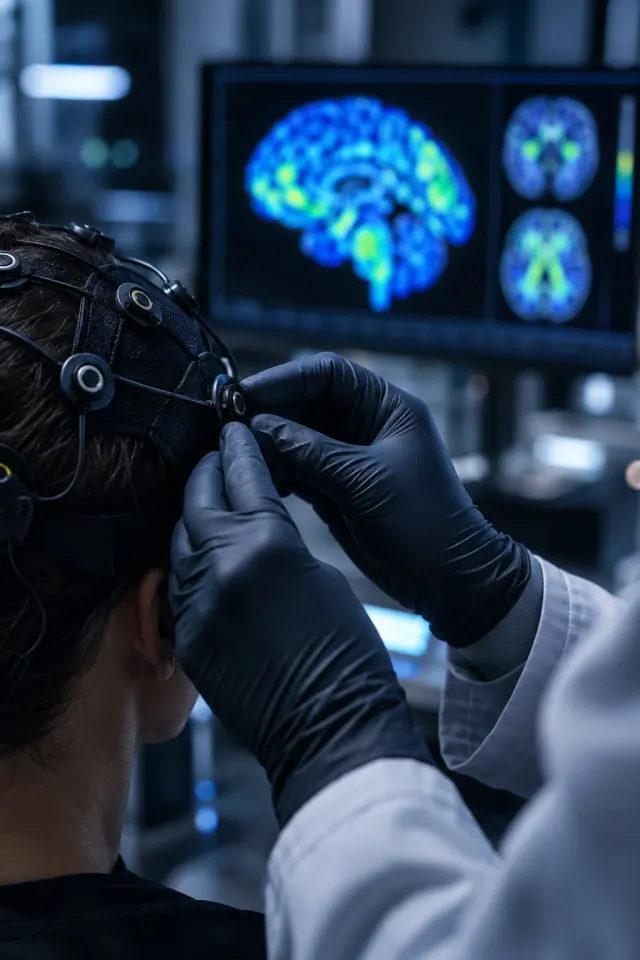
Clinician in dark gloves adjusting a brain-scanning headset sensor, with a colorful brain-activity map on a monitor behind

Most Clinics Guess. We Test.


Most clinics start with a standard panel and a symptom checklist. If the results come back "normal," that's usually where the conversation ends. Patients tell us they left wondering if it was just stress, or just age.

We do it the other way around. We test first, including a direct look at how the brain is functioning, then build a plan around what the results actually show. No guessing. Just answers.

Dr. Luke Arnett, Zen Functional Medicine, Dallas

Dr. Luke Arnett, DC, LAc, FAAIM, DCBCN


For 28 years, Dr. Arnett has helped patients in the Dallas area and around the world get to the root of what's holding their bodies back. He holds two diplomate certifications and a fellowship in clinical nutrition, and he's completed hundreds of hours of continuing education to stay current on the newest advances in functional medicine.


Aimee Hinshaw, FNP, Zen Functional Medicine, Dallas

Aimee Hinshaw, FNP


Aimee is a dedicated nurse practitioner who provides comprehensive functional medicine services and specialized IV nutrient therapy. Focused on evidence-based, integrative care, she designs and oversees tailored wellness plans that address each patient's needs from the inside out. Her goal is proactive, transformative care that restores balance and supports overall well-being.

What Happens When You Come In


  1. Step #1

    We start with a conversation.

    Not a symptom checklist. We talk through when things started, what's changed, and what's already been tried.

  2. Step #2

    We test, so we don't have to guess.

    We look at everything that affects how clearly a person thinks:

    • Brain Function Scanning

      A direct look at how the brain is actually performing, not just how it feels.

    • Advanced Lab Work

      We draw blood and run the labs most doctors never order, looking at hormones, thyroid, nutrients, inflammation, and more.

    • Nervous System Assessment

      Measures how the body is handling stress, and whether it's stuck in a survival mode that makes clear thinking harder.

    • Respiratory System Testing

      Checks how well the body takes in and uses oxygen, and the brain uses more of it than any other organ.

    Much of this testing may be covered by insurance. Give us a call and we'll check your coverage with you right there on the phone.

  3. Step #3

    We walk through the results together.

    We show you what we found and explain what's behind it, in plain language.

  4. Step #4

    We build a plan around the results.

    Once we know the cause, we build the plan around it. That may include:

    • Hormone Balancing

      Correcting imbalances that can drain energy, disrupt sleep, and affect thinking.

    • IV Therapy

      Vitamins, minerals, and amino acids delivered straight to the bloodstream, bypassing a stressed gut.

    • Peptide Therapy

      Targeted peptides that support the body's natural recovery and repair.

    • Structural Integration

      Realigning the body to take pressure off the nervous system so it can regulate properly.

    • Massage Therapy

      Releasing soft tissue tension that keeps the body locked in stress mode.

    Every treatment is chosen because the test results point to it, not because it's on a menu.

  5. Step #5

    We stay with you along the way.

    We track progress, retest when it matters, and adjust as the body responds. Patients often tell us they're finishing sentences again and following conversations without losing the thread. Change builds over time, and every person responds differently.

Brain Fog: Common Questions, Answered


What causes brain fog?

Brain fog rarely has one cause. Hormone shifts, thyroid function, nutrient deficiencies, blood sugar swings, inflammation, gut health, and chronic stress can all play a part, often several at once. Testing is how we find out which ones are involved.

Why doesn't brain fog show up on standard blood tests?

Standard bloodwork is designed to catch disease, not the subtle imbalances that wear down focus and memory. That's why so many people are told everything looks "normal." We run deeper labs and look directly at how the brain is functioning.

What is brain function scanning?

It gives us a direct look at how the brain is actually performing, not just how it's described. Paired with lab work, it helps us see what's behind the fog instead of guessing.

Is brain fog a sign of early memory decline?

It's one of the most common fears we hear. Brain fog has many possible causes, and many of them can be identified and addressed. Testing is how to stop wondering and find out what's actually going on.

Can hormones cause brain fog?

Yes. Hormone and thyroid changes are some of the most common drivers of brain fog, and they're often missed when only a basic panel is run.

Is the testing covered by insurance?

Much of this testing may be covered by insurance. Give us a call and we'll check your coverage with you right there on the phone.

Man by a sunny window in the morning, holding a coffee mug and reading a notebook with a calm, focused smile

Request Your Appointment Time


Take the first step toward real answers.

Pick a time that works for you, any time, day or night. We'll follow up as soon as we're in.

Rather talk to a real person first? Questions, insurance, whatever you need, just give us a call.